
English| EUR
Suggested for you
More currencies
Choose a language
Banff National Park protects critical habitat for two bear species across 6,641 square kilometers of mountain wilderness. Understanding which bears live here, where they move seasonally, and how to recognize them determines both safety outcomes and the likelihood of a successful sighting.
Quick answer
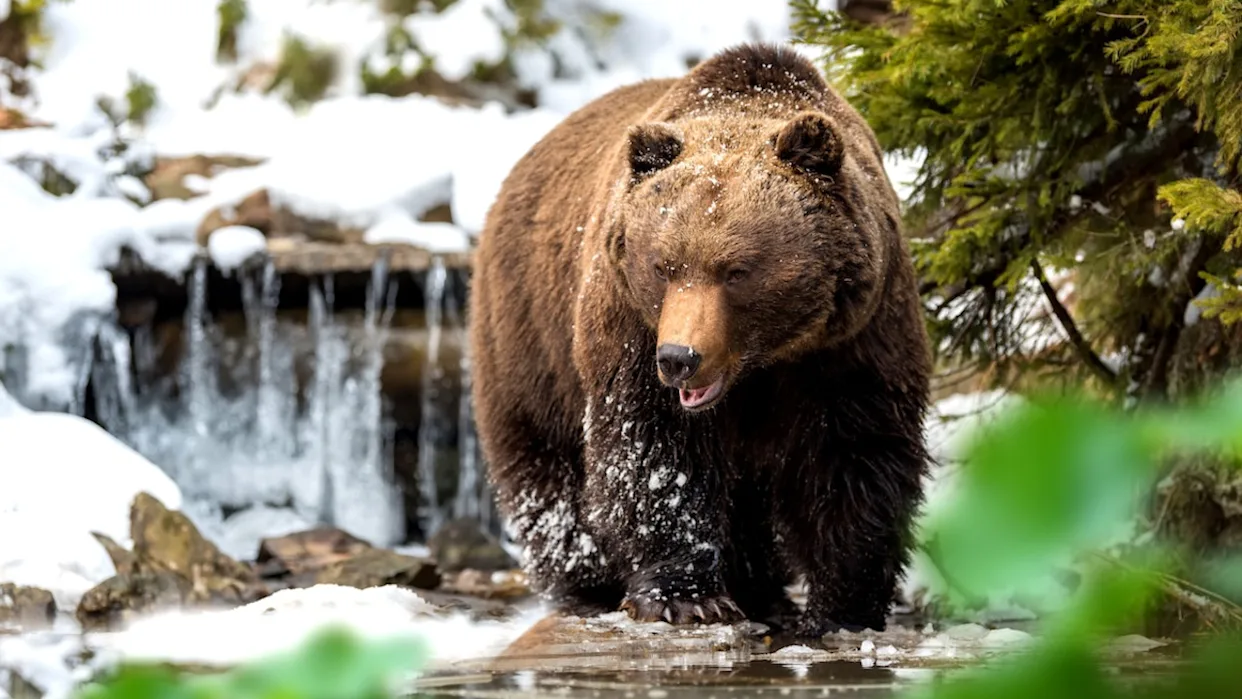
Yes, Banff National Park is home to both grizzly bears and black bears year-round. Grizzly bears number approximately 65 individuals within park boundaries, while black bears are more abundant with an estimated population exceeding 50. Both species are most active from late spring through early autumn, with peak sighting windows occurring at dawn and dusk along valley corridors and subalpine meadows.
Grizzly bears in Banff occupy a smaller, more fragmented range than they did a century ago, yet the park remains one of their last secure strongholds in Alberta. These apex omnivores require vast territories—adult males may roam areas exceeding 1,000 square kilometers—and their presence signals intact ecological corridors connecting Banff to Jasper, Yoho, and Kootenay national parks. Black bears, though smaller and more adaptable, follow similar seasonal rhythms: denning through winter, emerging in April or May, foraging intensively through summer, and entering hyperphagia—a pre-hibernation feeding frenzy—in September and October. The Bow Valley Parkway, Icefields Parkway, and Lake Minnewanka loop consistently yield bear sightings, particularly during berry season when both species concentrate on avalanche slopes and roadside vegetation patches. Grizzlies favor open alpine zones and avalanche chutes where they dig for glacier lily corms, ground squirrels, and moths. Black bears frequent mixed forests and lower elevation riparian zones where they feed on ants, berries, and vegetation. Distinguishing the two requires attention to profile: grizzlies display a pronounced shoulder hump, a dished facial profile, and longer, more curved claws visible in tracks. Parks Canada deploys systematic bear management protocols including seasonal area closures, electric fencing around high-use campgrounds, and mandatory bear spray requirements on backcountry trails. The park recorded 1,200 bear sightings reported by visitors in 2025, though actual bear-human encounters remain statistically rare when protocols are observed. Wildlife corridors beneath the Trans-Canada Highway—41 underpasses and overpasses monitored by remote cameras—facilitate safe bear movement and reduce vehicle collisions, which historically represented the leading cause of bear mortality in the park. Timing matters. Early morning hours between 06:00 and 09:00 align with peak foraging activity and reduced human traffic, creating optimal conditions for observation from vehicles. Autumn offers the highest sighting probability as bears intensify feeding before denning, though this period also brings increased caution advisories. Winter sightings are exceptional; both species enter dens by November and remain dormant until spring thaw triggers emergence. The park's bear management program requires all backcountry users to check current wildlife activity reports before departure, as temporary trail closures respond dynamically to den locations, carcass sites, and documented aggressive encounters.
“Banff National Park protects one of Alberta's last secure grizzly bear populations, with wildlife corridors enabling safe movement across more than 6,600 square kilometers of mountain habitat.”
Banff National Park serves as a habitat for both black bears and grizzly bears, which roam across the park's diverse mountain and valley landscapes. Understanding their presence and identifying features helps visitors appreciate these animals while respecting their space.
There are approximately 65 grizzly bears that call Banff National Park home.
Estimates for the park's black bear population typically range between 20 and 40 individuals.
These bears are characterized by a distinct muscular hump between their shoulders and a wide, dished facial profile.
Black bears are generally smaller, lacking the shoulder hump, and possess a longer, straighter snout with larger ears.
Both species exhibit significant color variations, meaning coat color alone is not a reliable way to distinguish between them.
Grizzlies are often found in more open, mountainous terrain, whereas black bears frequently inhabit valley areas with more forest cover.
Bears utilize specific natural routes and corridors to traverse the park, making these zones critical for their movement and survival.
Early park history saw high levels of human-bear interaction, but modern management focuses on keeping bears wild and minimizing human conflict.
Bears are active in Banff from early spring until late autumn, typically emerging from hibernation in March or April and returning to dens by November. Observing these animals is most successful during the early morning and late evening hours when they are most active foraging.
Cool, 2°C to 12°C. Bears emerge from hibernation and frequent lower elevations to forage for fresh vegetation.
Warm, 10°C to 22°C. Bears are highly active but often retreat to higher elevations to avoid heat and mid-day crowds.
Cold, -2°C to 10°C. Bears consume maximum calories in preparation for winter hibernation.
—
Wildlife activity is highest during low-light periods. Consistent with the best arrival window of 06:00–09:00, early presence increases interaction probability.
Verdict: The best opportunity to observe bears occurs during the early morning hours of late spring or early autumn, well before peak daily crowds arrive.
Bear country requires strict conduct to protect both wildlife and visitors. Following Parks Canada protocols reduces dangerous encounters and helps preserve natural bear behavior.
Banff National Park remains open to visitors 24 hours a day throughout the entire week. Wildlife, including bears, may be active at any time during these hours.
Everything you need to know about are there bears in banff national park
Yes, both black bears and grizzly bears inhabit the wilderness areas of the park. These animals are a natural part of the ecosystem and are frequently observed in various habitats.
The park is home to two primary species, the grizzly bear and the American black bear. Both species roam throughout the mountainous terrain and valleys, often foraging for berries or roots.
Wildlife is most active during the twilight hours, making the early morning window between 06:00 and 09:00 ideal for spotting them. We recommend visiting during this time to increase your chances of sightings while avoiding the midday crowds.
Hikers should remain vigilant as are there bears in Banff National Park trails, especially in areas with dense vegetation or berry patches. Always carry bear spray, keep it accessible, and make noise to avoid startling wildlife.
Visitors must maintain a safe distance from all animals and never attempt to feed them. Please follow all official signage and stay on marked paths to protect both yourself and the local population.
While sightings near the townsite are less common, are there bears in Banff National Park outskirts is a valid concern for residents and visitors alike. It is important to keep food waste secure and follow all park regulations regarding garbage disposal.
If you see a bear, stay calm, do not run, and slowly back away while keeping your eyes on the animal. If you are interested in guided observation, consider booking an evening wildlife safari to learn more from experienced professionals.